The members of the Equity Coalition believe that it is now more important than ever for schools to commit to permanently rejecting harsh exclusionary discipline practices for all students and especially for those with disabilities.
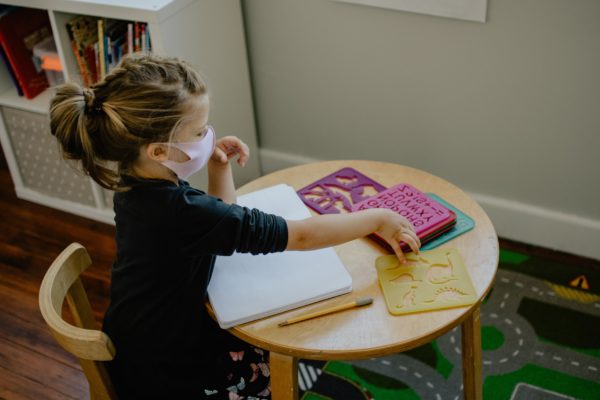
The members of the Equity Coalition believe that it is now more important than ever for schools to commit to permanently rejecting harsh exclusionary discipline practices for all students and especially for those with disabilities.
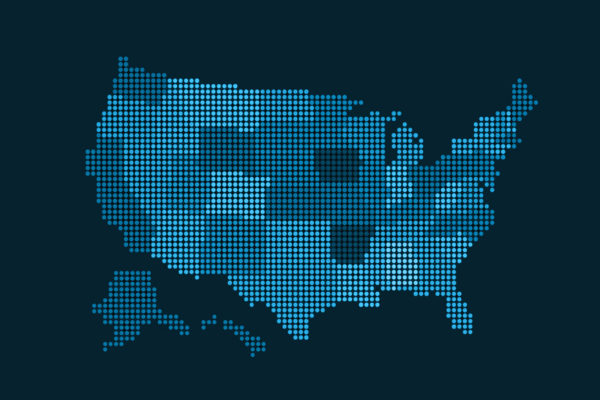
This interactive visual database includes data on enrollment, discipline, local educational agency (LEA) status, authorizer, and funding aimed at building understanding of the special education landscape and related trends across every state in the nation.
This page provides sources, methodology, and definitions for the Center’s interactive database, Trends in Special Education in Charter and Traditional Public Schools by U.S. State.
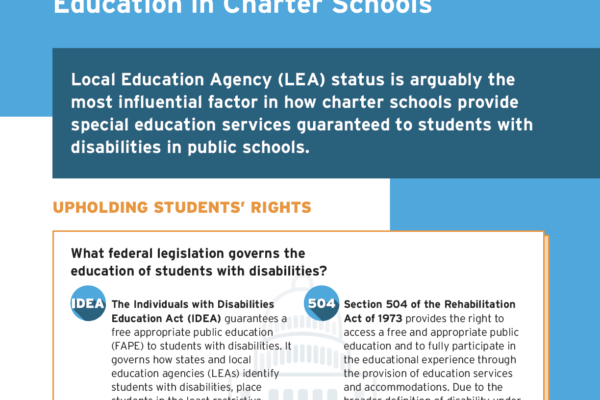
CLE breaks down how a charter school’s legal status as part of a larger local education agency (LEA) or independent LEA — and why it is essential to understanding what entity is responsible for educating students with disabilities.

Eight months after COVID-19 first shut down schools across the country, the state of education in the United States remains in flux. Students with disabilities, in particular, continue to be disproportionately impacted by school closures and lack of access to services. As cases tick upward once again, school leaders and administrators are likely to face tough decisions in the coming months. Despite the immense difficulty of the situation, we have identified several key strategies that will set school leaders up for success.
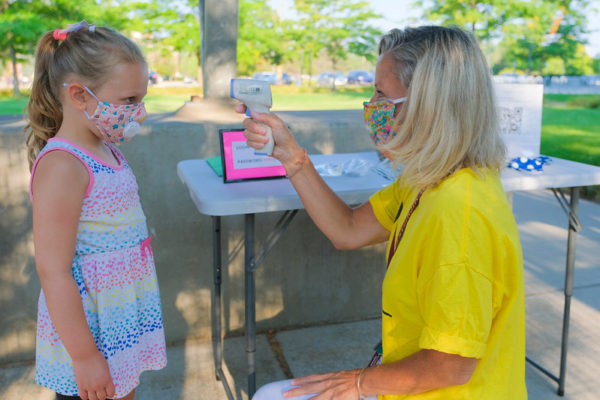
Disproportionate discipline of students with disabilities is a long-running crisis—and with the new rules and considerations around COVID-19, the stakes are even higher. Instead of simply reacting as incidents come up, however, schools have the opportunity to develop proactive discipline policies that serve students during the pandemic and also provide positive structures for the future.

In February 2020, the Center completed an analysis of the challenges associated with educating students with disabilities in Connecticut charter schools. We found that these challenges are symptoms of two broader issues—the state’s inequitable public education funding system and problematic ambiguity in the state charter law.
In February 2020, the Center completed an analysis of the challenges associated with educating students with disabilities in Connecticut charter schools. We found that these challenges are symptoms of two broader issues—the state’s inequitable public education funding system and problematic ambiguity in the state charter law.

This brief expands on the NCSECS’ full analysis of 2015-16 CRDC data and focuses on enrollment data of students with disabilities and the underlying factors that influence their access to charter schools

This document outlines the Center’s Equity Coalition and its seven core principles.