Nov 17
As EdSource reported in November, the pandemic has changed the way that students are disciplined—yet students are still subject to punishments like suspension in the virtual environment. Senior Policy Director Wendy Tucker weighed in on the potential negative impacts on students.
Nov 08
The Center congratulates President-Elect Joe Biden and Vice-President-Elect Kamala Harris on their victory. We look forward to this opportunity to work together to promote and protect the civil rights of students with disabilities.
Nov 06
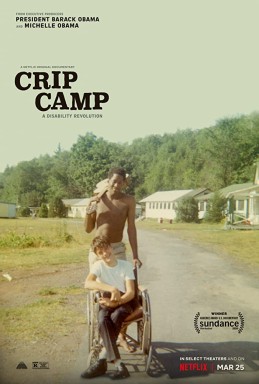
The history of the struggle to secure rights for people with disabilities is a facet of the civil rights movement that is not well known. Fortunately, there is now an extraordinary, humanizing, inspirational film on Netflix that tells a crucial part of that story.
- November 6, 2020
- Paul O’Neill
- Blog
Oct 27
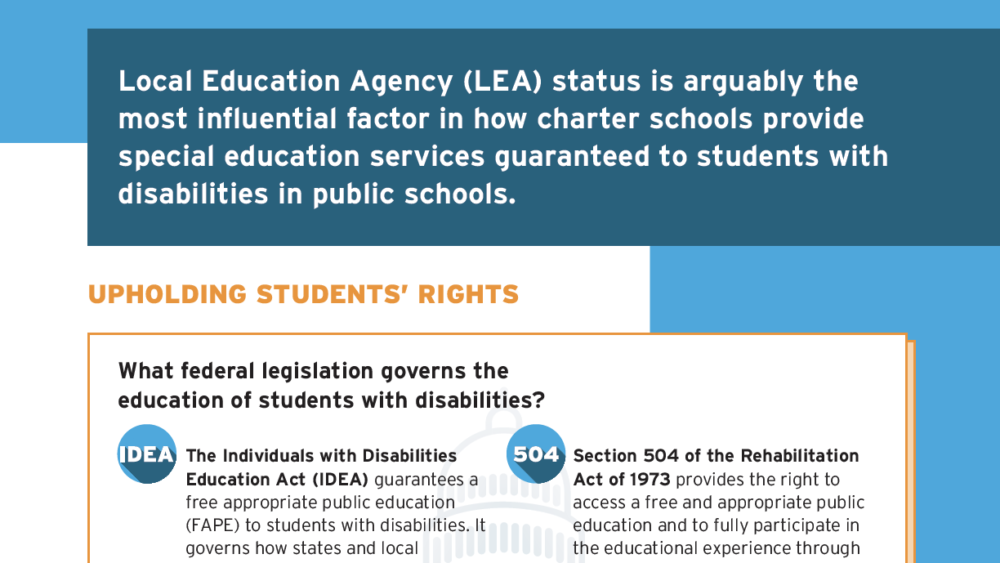
CLE breaks down how a charter school’s legal status as part of a larger local education agency (LEA) or independent LEA — and why it is essential to understanding what entity is responsible for educating students with disabilities.
Oct 26
Phi Delta Kappan’s November issue, themed “What Makes a Good School?” featured a piece by Lauren Morando Rhim, arguing that a school cannot be good unless it is good for all students, including students with disabilities.
Oct 22
Eight months after COVID-19 first shut down schools across the country, the state of education in the United States remains in flux. Students with disabilities, in particular, continue to be disproportionately impacted by school closures and lack of access to services. As cases tick upward once again, school leaders and administrators are likely to face tough decisions in the coming months. Despite the immense difficulty of the situation, we have identified several key strategies that will set school leaders up for success.
Oct 20
On October 20, K-12 Dive reported on the CRDC’s new data showing that students with disabilities are subject to disproportionate rates of harsh discipline, quoting Lauren Morando Rhim.
Oct 15
Students with disabilities have long faced disproportionate rates of harsh disciplinary practices like physical or mechanical restraint and seclusion—often with disastrous results, including permanent injury and death. New data from the Civil Rights Data Collection released today by the US Department of Education shows that this disproportionality has sharply increased—a shocking and disappointing trend.
Oct 15
Children with disabilities have been disproportionately affected by the COVID-19 pandemic—both in and out of school—and the enormous challenge of adapting to the new normal has placed schools and districts under financial strain. In light of these facts, the Center is proud to support the Supporting Children with Disabilities During COVID-19 Act (H.R. 8523).
Oct 15
On October 15, NJ Left Behind reprinted the Center’s statement on new data from the Civil Rights Data Collection that shows that students with disabilities continue to face disproportionate rates of harsh disciplinary practices.
« Previous Page — Next Page »