Resources

diverse group of children sitting in a classroom waving

Key Trends in Special Education in Public Schools (2020-21)

CLE’s Analysis of the Civil Rights Data Collection The Center for Learner Equity is proud to release our sixth secondary analysis of the U.S. Department of Education’s Civil Rights Data Collection (CRDC)’s January 2025 release, this time regarding the 2021-2022 school year. We have prepared two reports that offer an in-depth look at the experiences of students with disabilities in public charter schools and traditional public schools. Our analyses of CRDC data continue to reveal persistent disparities in enrollment, disciplinary practices, and access to college preparatory opportunities for students with disabilities. In our “Fast Facts” brief, we examine national trends in enrollment, placement, discipline, and postsecondary access for students with disabilities in both traditional and charter public schools. We also offer a separate brief on the topic of specialized charter schools, where we explore the growth and characteristics of charter schools that specialize in educating students with disabilities. CLE continues to urge elected officials and the U.S. Department of Education to protect and invest in the Civil Rights Data Collection. This data is critical to national transparency around protecting students' civil rights, informing inclusive policies, and ensuring all students with disabilities receive the opportunities and supports they deserve. Key Findings [...]
Sustainability Report Image

Charter School Equity, Growth, Quality, and Sustainability Study

The two-year research study highlights how state policymakers, authorizers, nonprofits, charter management organizations, and individual schools can improve the educational experiences of students with disabilities. The Charter School Equity, Growth, Quality, and Sustainability Study is a research initiative that examines and documents efforts to improve the experiences of students with disabilities in the charter school sector. CLE conducted a thorough study, including scanning journalistic reports, interviewing key experts, and conducting a literature review to identify and explore actions taken by stakeholders. It also emphasized high-leverage practices for students with disabilities, particularly BIPOC students. The study resulted in a series of stakeholder reports and a case study of a dynamic charter ecosystem in Washington State, highlighting how state policymakers, authorizers, nonprofits, charter management organizations, and schools can improve the educational experiences of students with disabilities. In our research, CLE sought to achieve two primary objectives: Understanding Impact on Growth and Sustainability: Investigating how the experiences of students with disabilities influence the growth and sustainability of charter schools. Improving Student Experiences: Identifying actionable steps by key stakeholders to improve the educational experiences of students with disabilities in charter schools. View the Executive Summary State Actions to Improve Education Access and Outcomes for [...]
Classroom with children raising hands

Model Policy Guide – 2nd Edition | Model Policies for Equitable Access and Quality Opportunities for Students with Disabilities in Charter Schools

With their increased autonomy and flexibility, charter schools can be a promising educational option for students with disabilities. However, during the inception of the charter movement, very few people were focused on ensuring that state charter school policies addressed the needs of students with disabilities.

Children at desk

The U.S. Department of Education’s Guidance, “State General Supervision Responsibilities under Parts B and C of the IDEA: Monitoring, Technical Assistance, and Enforcement”

On July 24, 2023, the Office of Special Education Programs (OSEP) of the U.S. Department of Education (US ED) released a Dear Colleague letter (DCL) and lengthy guidance related to the responsibilities states have to oversee the education of students with disabilities in their schools and to ensure that those students are afforded all of their rights under the Individuals with Disabilities Act (IDEA). Read about why this matters and how it impacts charter schools in the full report.

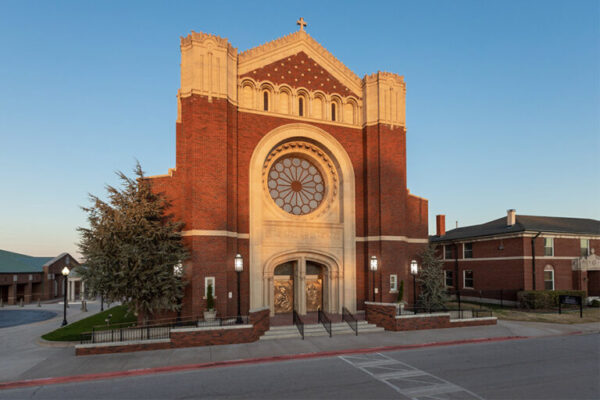
Our Statement Regarding Oklahoma Virtual Charter School Board’s Approval of St. Isidore of Seville Catholic Virtual School

Given the Oklahoma Virtual Charter School Board’s decision to approve the charter application of the St. Isidore of Seville Catholic Virtual School, we at the Center for Learner Equity feel it is imperative to reinforce that charter schools are public schools that must be accessible and inclusive for students with disabilities and, we believe, must be non-sectarian.